+ (903) 231-3151
Transcranial Magnetic Stimulation is a non-invasive, FDA-approved treatment that uses gentle magnetic pulses to stimulate targeted areas of the brain involved in mood and behavior regulation. TMS is most commonly used to treat Major Depressive Disorder and Obsessive-Compulsive Disorder, especially for individuals who have not found sufficient relief through medication or traditional therapy alone.
At Psych Pointe, we are proud to offer this advanced treatment option to help patients regain control of their mental health and improve their quality of life.
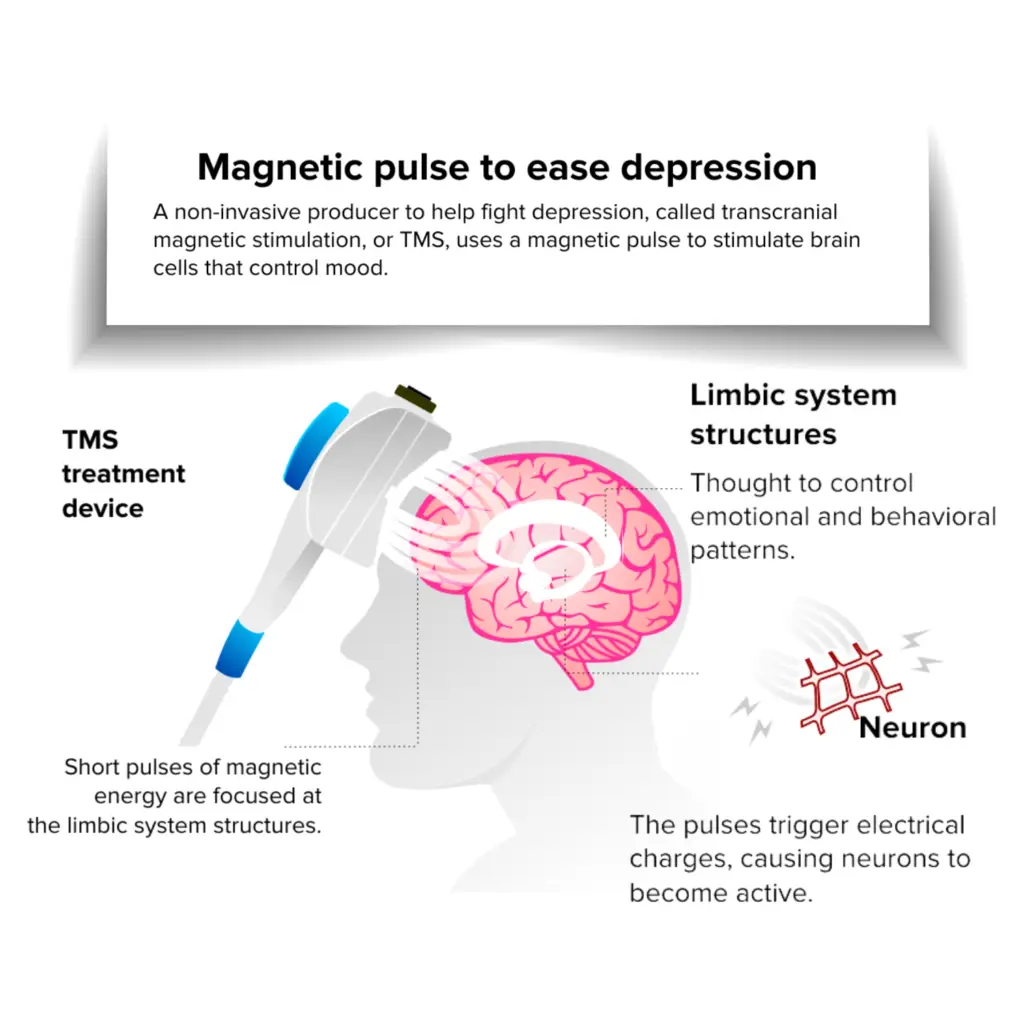
TMS delivers focused magnetic pulses through a small coil placed against the scalp. These pulses activate specific brain regions associated with emotional and cognitive functioning:
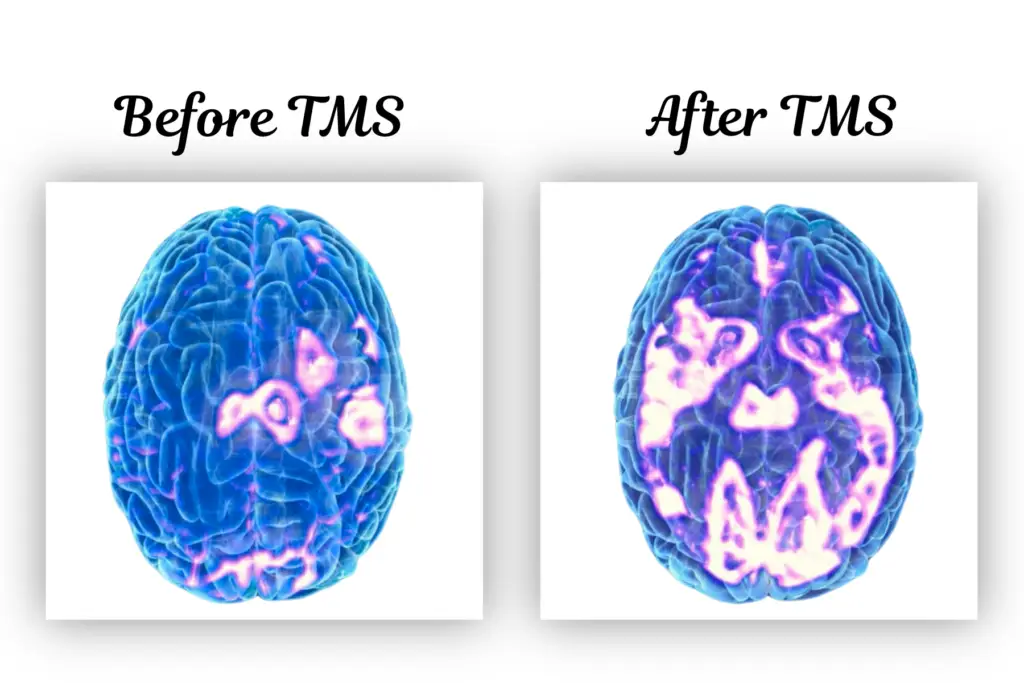
Over time, TMS helps normalize brain activity, leading to improved mood, focus, and emotional balance.
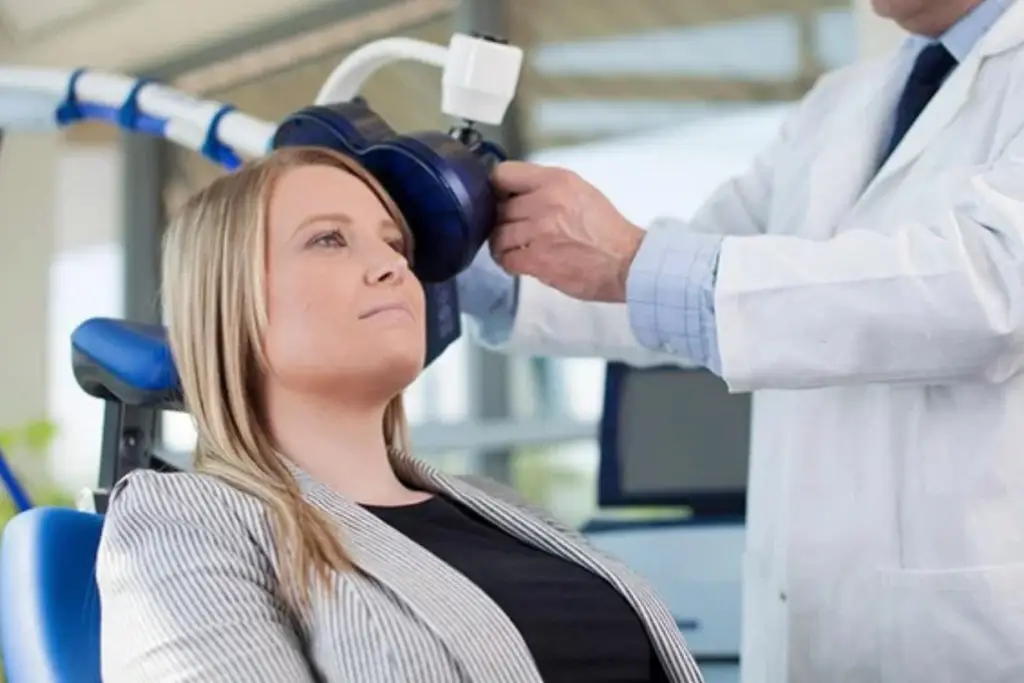
TMS is performed in-office and does not require anesthesia or sedation.
Patients remain awake and alert and can return to normal activities immediately after each session.
TMS is generally very well tolerated. Most side effects are mild and temporary and may include:
Serious side effects, such as seizures, are extremely rare (less than 0.1%).
TMS may be a good option for individuals who:
Transcranial Magnetic Stimulation (TMS) is an FDA-approved, non-invasive brain stimulation treatment that uses gentle magnetic pulses to activate specific areas of the brain responsible for mood regulation. It is most commonly used to treat depression, particularly in patients who have not responded well to antidepressant medications. At Psych Pointe, TMS is administered by experienced providers in a comfortable, outpatient setting — no sedation, no surgery, no downtime.
TMS is an excellent option for adults who have been diagnosed with depression and have not found adequate relief through medication or therapy. It is also considered for patients who experience significant side effects from antidepressants or prefer a non-medication treatment approach. At Psych Pointe, we conduct a thorough evaluation to determine whether TMS is the right fit for your specific situation and health history.
TMS is generally well-tolerated and considered very safe. Most patients experience little to no discomfort during sessions — some may feel a light tapping or tingling sensation on the scalp. Unlike electroconvulsive therapy (ECT), TMS does not require anesthesia and does not cause memory loss. The most common side effects are mild headache or scalp sensitivity, which typically resolve quickly after treatment.
A standard TMS treatment course typically consists of 5 sessions per week over 4 to 6 weeks — around 20 to 30 sessions in total. Each session lasts approximately 20 to 40 minutes, allowing most patients to return to their normal daily activities immediately after. At Psych Pointe, your provider will recommend a personalized treatment schedule based on your diagnosis and response to therapy.
Clinical studies show that approximately 50 to 60 percent of patients with treatment-resistant depression experience significant improvement with TMS, and around one-third achieve full remission. Results vary by individual, but many patients begin to notice meaningful changes in mood, energy, and motivation within the first 2 to 4 weeks of treatment. At Psych Pointe, we monitor your progress closely throughout the entire process.
Many insurance providers do cover TMS therapy for patients who meet specific criteria — typically a diagnosis of major depressive disorder and a documented history of inadequate response to antidepressant medications. At Psych Pointe, our team will work with you to verify your insurance coverage and walk you through all available options before beginning treatment — so there are no surprises.